
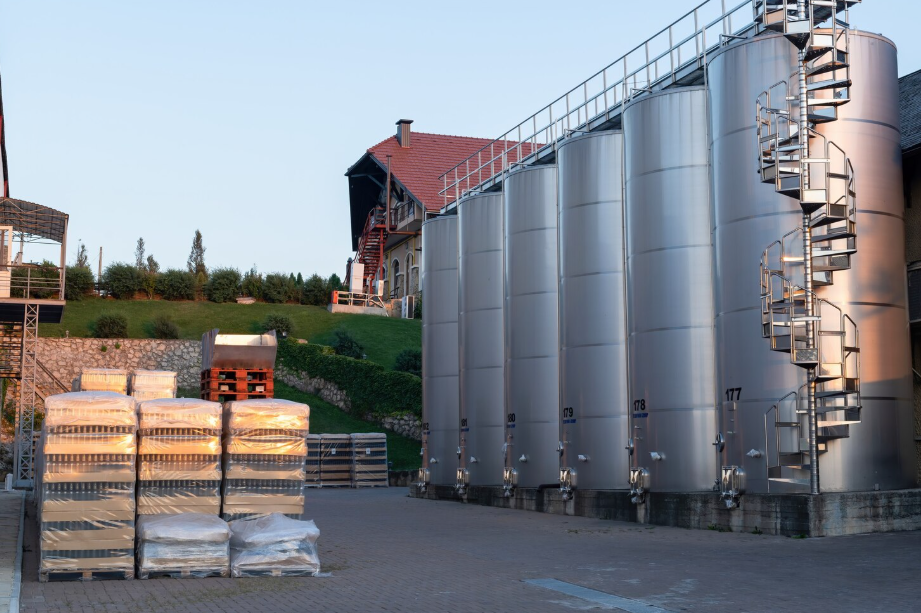
In industrial operations, managing fuel storage effectively is essential to maintain smooth production, reduce downtime, and ensure safety. Fuel is a critical resource for generators, boilers, and other equipment, and storing it efficiently can save both time and money. One solution that many industrial facilities rely on is the use of a day tank. A day tank is a smaller, secondary storage tank designed to supply fuel to equipment continuously, without the need to access the main fuel storage frequently. By incorporating day tanks, industries can improve fuel management, enhance operational efficiency, and reduce risks associated with large fuel storage.
Understanding the Role of a Day Tank
A day tank is typically placed close to the machinery or equipment it serves, allowing for easy and quick access to fuel. Unlike larger storage tanks, which store bulk quantities, a day tank holds enough fuel for a day or a specific operating period. This setup ensures that fuel is readily available for immediate use, minimizing interruptions in industrial processes. Day tanks often include safety features such as level indicators, alarms, and filtration systems, making fuel management more controlled and reliable.
Enhancing Operational Efficiency
One of the main advantages of using a day tank is the improvement in operational efficiency. By having fuel close to the equipment, employees spend less time transferring fuel from the main storage. This proximity reduces delays and ensures that machines, especially critical ones like generators, operate without disruption. Additionally, day tanks allow for a more consistent fuel flow, preventing sudden shortages and helping maintain a steady production schedule. This reliability is particularly important in industries where equipment downtime can lead to significant financial losses.
Reducing Fuel Waste and Contamination
Day tanks contribute to better fuel storage by minimizing waste and contamination. Large storage tanks can sometimes lead to fuel degradation or contamination due to long storage times. By using a day tank, fuel is cycled more frequently, ensuring it remains fresh and clean. Many day tanks are equipped with filtration systems that remove impurities before the fuel reaches the equipment, reducing the risk of damage or inefficiency. This process not only extends the life of machinery but also lowers maintenance costs associated with fuel-related issues.
Improving Safety in Industrial Environments
Safety is a critical concern in industrial fuel storage. Storing large volumes of fuel near work areas can be hazardous. A day tank helps improve safety by limiting the amount of fuel kept close to equipment. Smaller, controlled quantities reduce the risk of fire or spillage accidents. Furthermore, day tanks are often designed with secondary containment features, which help prevent leaks from spreading and causing harm to personnel or the environment. Regular monitoring and maintenance of day tanks also enhance overall safety standards in industrial settings.
Facilitating Compliance and Record-Keeping
Many industrial facilities must adhere to strict regulations regarding fuel storage and handling. A day tank makes compliance easier by providing accurate tracking of fuel usage. Level gauges and monitoring systems can record consumption, helping industries maintain proper documentation and avoid regulatory penalties. Efficient record-keeping also aids in inventory management, allowing managers to plan refills effectively and avoid both shortages and overstock situations.
Conclusion
Incorporating a day tank in industrial fuel storage systems is an effective way to improve efficiency, safety, and overall operational performance. By providing a consistent and accessible fuel supply, day tanks reduce downtime, minimize waste, and ensure cleaner fuel delivery to critical machinery. They also enhance safety by limiting the volume of fuel near work areas and supporting regulatory compliance. For industrial facilities looking to optimize their fuel management, day tanks represent a practical, reliable, and cost-effective solution.